That moment when you move or bend the wrong way and think: “Oh no… my back’s gone.” It always seems to happen at the worst possible time too. The good news? There are some simple steps you can take early that may help settle things down and get you back on track sooner.
First, a quick safety check
Before you try anything below, don’t continue if you have:
● Weakness or numbness in your leg ● Loss of bowel or bladder control
These symptoms can indicate something more serious, seek urgent medical care immediately.
Step 1: Don’t panic! Check in with your body
Take a breath and gently stand upright if you can. Ask yourself:
● Where is the pain? ● Is it in your back only, or going into your leg? ● Is it on one side or central?
If anything you do makes the pain spread further down your leg or worsen, skip ahead and seek professional help.
Step 2: Get comfortable on your stomach
Find a place where you can lie on your stomach: The floor, a bed, even a towel if needed.
Step 3: Relax and breathe
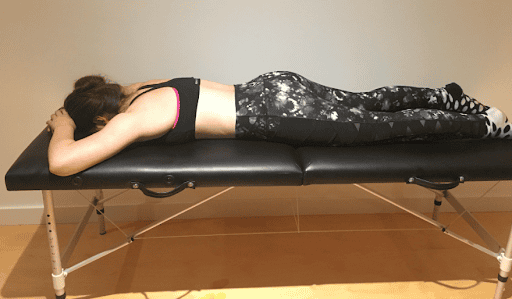
Lie flat with:
● Head turned to one side ● Arms relaxed by your sides
Now just breathe and relax your back and hips. You’re looking for:
● Pain easing ● Pain moving more toward the center of your back
If that happens, great, move on.
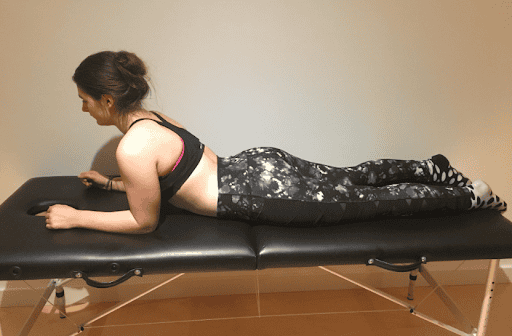
Step 4: Gently prop up on your elbows
Bring your elbows under your shoulders and lift your chest slightly.
● Keep your hips and lower back relaxed ● Hold briefly, then lower back down
Repeat a few times. If this feels better or no worse, you’re ready for the next step.
Step 5: Try press-ups
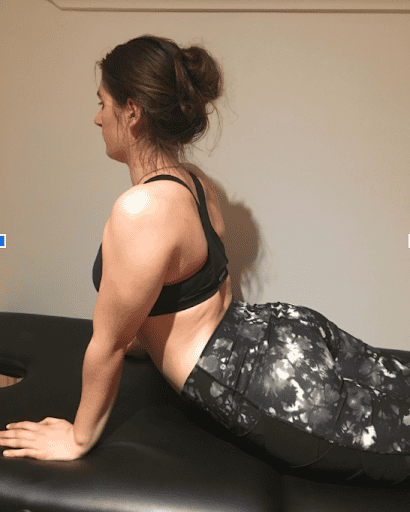
This is one of the main movements used for Acute back pain. How to do it:
Start on your stomach, hands under shoulders
Keep hips relaxed
Press your upper body up using your arms
Hold for 2 seconds
Slowly lower
Repeat 10 times. What you’re looking for:
Pain reducing
Pain moving toward the centre (a great sign)
Step 6: Adjust if needed
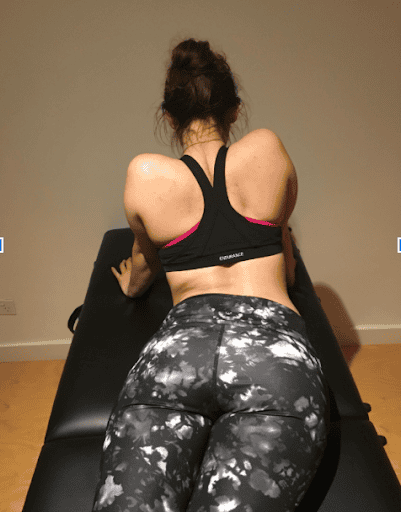
If press-ups aren’t helping, try this variation:
Shift your hips slightly to one side (usually away from the painful side)
Then perform the press-ups again
It may feel awkward, that’s okay. Keep monitoring your symptoms. You’re still aiming for:
Less pain
Pain centralising
If helpful, you can repeat these movements every 2 hours.
Step 7: If it’s not improving
If your pain:
Isn’t improving
Is getting worse
Is spreading
It’s time to see your physiotherapist for guidance.
A helpful way to think about it
Think of your back like a cut on your finger. When you cut your finger:
You protect it
You avoid stretching it open
You let it heal before stressing it again
Your back is no different. Healing can take:
3–21 days for most strains
Up to 6 weeks for more severe cases
What helps recovery
While things are settling:
Limit sitting where possible
Maintain a gentle natural curve in your lower back
Use a lumbar support if helpful
Avoid:
Heavy lifting
Long car trips
Slouched sitting
Bending and twisting
The bigger picture
If your pain settles, that’s a great outcome. You’ve taken the first step toward:
Understanding your body
Managing symptoms early
Staying active and in control
If you’d like more guidance, your physiotherapist can:
Help tailor your exercises
Guide your recovery
Support long-term prevention
Want to learn more?
A great resource is “Treat Your Own Back” by Robin McKenzie
Book an appointment with our friendly team of Adelaide physiotherapists today and take the first step towards better health and wellbeing. We offer flexible scheduling to accommodate to you.