

Many people have heard of dry needling, but few realise just how much science and clinical reasoning sits behind this modern Physiotherapy technique.
Despite its name, dry needling has nothing to do with injecting medication. Instead, it uses very fine, sterile, single-use needles to stimulate muscles and connective tissue that are not functioning as well as they should.
Why do muscles become a problem?
Our muscles are designed to contract, relax and work together to create smooth, efficient movement. However, after injury, repetitive strain, poor posture, stress or prolonged sitting, some muscles can become overactive, tight or sensitive.
These changes can contribute to:
- Persistent muscle tightness
- Local or referred pain
- Reduced flexibility
- Joint stiffness
- Weakness or poor muscle activation
- Difficulty returning to sport or normal activities
Dry needling is one of several techniques physiotherapists may use to help address these problems.
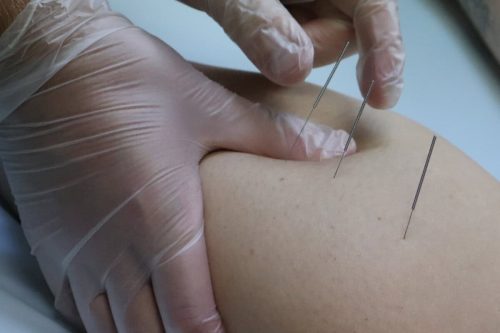
What actually happens during treatment?
Your physiotherapist performs a detailed assessment to determine which muscles are contributing to your symptoms. The needle is then carefully inserted into specific areas of the muscle.
Many people expect the needle itself to be the treatment, but in reality it is the body’s response that creates the effect.
Depending on the muscle and your condition, you may feel:
- A brief muscle twitch
- A feeling of pressure or heaviness
- A dull ache around the needle insertion site that settles quickly
These responses are normal and often indicate that the muscle has been stimulated.
How does dry needling work?
Researchers are still learning about all of its effects, but we now know that dry needling can influence the body in several ways.
It changes how muscles behave
Needling may reduce excessive muscle tension while improving the ability of underperforming muscles to activate normally. This can help restore more efficient movement patterns.
It influences the nervous system
Pain is not produced only where we feel it—it is processed by the nervous system. Dry needling appears to influence how nerves and the brain process pain, helping to “turn down the volume” on sensitive tissues.
It improves movement
When muscles move more freely, joints often move more comfortably as well. Many people notice improvements in flexibility, movement quality and confidence after treatment.
It stimulates the body’s natural healing processes
The small mechanical stimulus created by the needle encourages increased local circulation and activates a variety of biological responses involved in tissue repair and recovery.
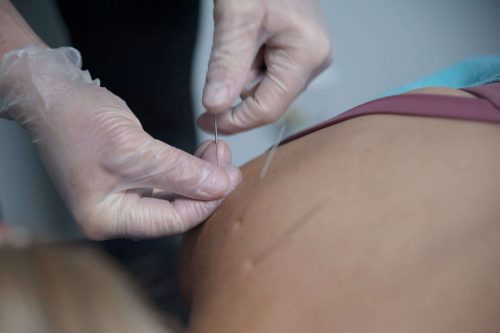
Dry needling is not a stand-alone treatment
One of the biggest misconceptions is that dry needling is a quick fix.
At our clinics, it is usually combined with:
- Manual therapy
- Movement retraining
- Strengthening
- Balance and coordination exercises
- Individualised exercise programs
- Education about posture, loading and activity
The goal is not simply to reduce symptoms—it is to help address why the problem developed in the first place.
Is it suitable for everyone?
Dry needling is not appropriate for every person or every condition. Before recommending treatment, your physiotherapist will discuss your medical history, medications, goals and preferences to determine whether it is a safe and appropriate option.
Some people benefit greatly from dry needling, while others may achieve similar outcomes using different treatment approaches. Good physiotherapy is about selecting the right combination of treatments for each individual.
Curious to know more?
If you’ve ever wondered whether dry needling could be helpful for your injury, ask your physiotherapist during your next appointment. They can explain how it works, discuss the current evidence, answer any questions you may have, and determine whether it could be a useful part of your rehabilitation plan.
Sometimes the smallest tools can help unlock better movement, but it’s always the assessment, clinical reasoning and overall treatment plan that make the biggest difference.

