
Osteoporosis is a common condition that affects bone strength, making bones more fragile and increasing the risk of fractures. It often develops quietly over time, which is why it’s sometimes called a “silent condition.” The good news is that targeted exercise and physiotherapy can play a key role in maintaining bone health, improving strength, and reducing fracture risk.
At our clinic, we use a combination of physiotherapy and tailored exercise programs, particularly within our Pilates studio, to help you move confidently and stay active.
What is Osteoporosis?
Osteoporosis occurs when bone density decreases and the internal structure of the bone becomes weaker. This can lead to fractures, most commonly in the: Spine, Hip and Wrist
You may not see or feel symptoms early on, but over time it can lead to:
- Reduced height
- Changes in posture (e.g. rounding of the upper back)
- Increased risk of fractures from minor falls or loads
Who Is at Risk of Osteoporosis? and Why It Matters
Osteoporosis can affect anyone, but some people are at a higher risk due to a combination of lifestyle, medical, and age-related factors.
People more at risk include:
- Women over 50, particularly after menopause (due to reduced oestrogen, which helps maintain bone density)
- Men over 65
- Individuals with a family history of osteoporosis or fractures
- People with a small body frame or low body weight
- Those with low levels of physical activity
- Individuals with poor nutrition, especially low calcium or vitamin D intake
- People who smoke or consume high amounts of alcohol
- Those on certain medications (e.g. long-term corticosteroids) or with medical conditions affecting bone health
Why this matters
- If you fall into one of these groups, your bones may gradually become weaker over time—often without obvious symptoms
- Being at risk doesn’t mean problems are inevitable.
- Regular, targeted exercise and early assessment may assist in maintaining bone strength, improving balance, and reducing the risk of falls and fractures.
Why Exercise is so important in Managing Osteoporosis
Bones respond to load. When we apply the right type of mechanical stress, bones can maintain or even improve their strength.
Exercise for osteoporosis aims to:
- Maintain or improve bone density
- Improve muscle strength
- Enhance balance and coordination
- Reduce risk of falls
- Support posture and spinal health
How Physiotherapy Can Assist
A physiotherapist can help by:
- Assessing your movement patterns, posture, and strength
- Identifying areas of risk or weakness
- Designing a safe and effective exercise program
- Progressing your program as your capacity improves
- Guiding you on safe ways to move in daily life
Importantly, physiotherapy may assist in ensuring that exercise is appropriate for your bone health and individual needs.
Exercise in Our Pilates Studio
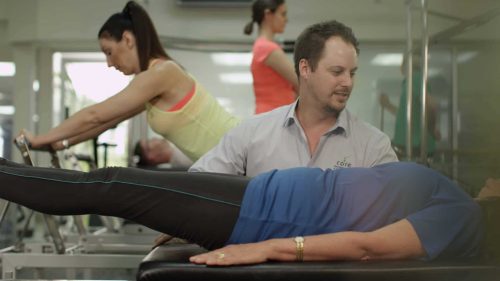
Our Pilates and gym programs are particularly well suited for managing osteoporosis because they allow for individualised, controlled, and progressive loading. Here’s how we adapt programs specifically for bone health:
1. Strength Training for Bone Loading
We incorporate resistance-based exercises to apply load through the skeleton. Examples include:
- Leg pressing and squatting movements
- Step-ups and lunges
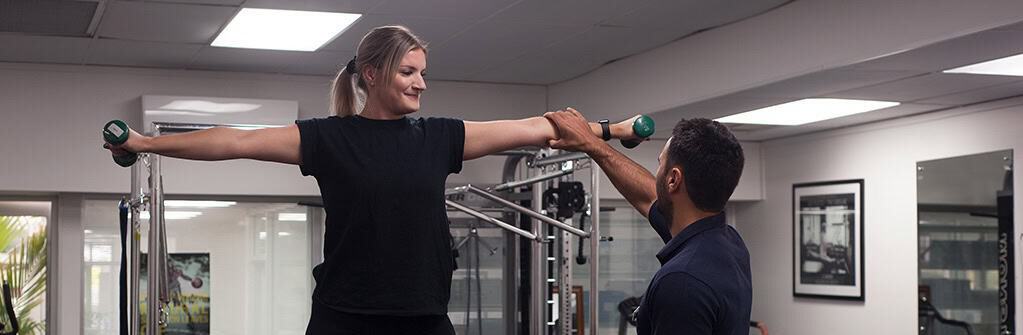
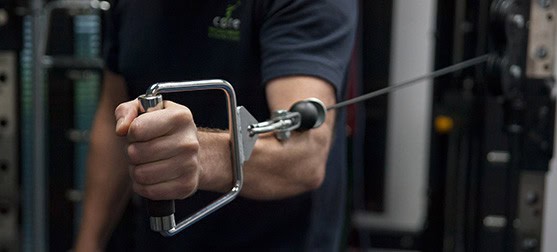
- Upper body resistance work (e.g. chariot pulls, rows, presses)
Why it matters and how this works:
- Muscle contractions create forces through bone
- This helps maintain bone strength
- Also improves overall function and independence
2. Weight-Bearing & Functional Movement
We prioritise exercises that mimic real-life activities: standing, kneeling, four point kneeling lunging
Why it matters and how this works:
- Improves confidence in daily activities
- Reinforces safe movement patterns
- Helps reduce fall risk
3. Postural Strength & Spinal Support
Osteoporosis can affect the spine, so we focus on:
- Upper back strengthening
- Scapular control
- Core stability
Examples:
- Seated rows
- Prone extension exercises
- Controlled spinal alignment work
Why it matters and how this works:
- Supports spinal alignment
- May reduce risk of vertebral compression
- Improves overall posture
- Helps reduce risk of falls
4. Balance and Falls Prevention
We include balance training such as:
- Single-leg standing
- Controlled stepping drills
- Balance and Stability challenges
Why it matters and how this works:
- Falls are a major cause of fractures
- Improving balance reduces fall risk
5. Modifications for Safety
For clients with osteoporosis, we adapt exercises to reduce risk by:
- Avoiding excessive spinal flexion under load
- Emphasising neutral spine positions
- Progressing load gradually
- Tailoring intensity to individual capacity
What Makes a Good Program?
A well-designed osteoporosis exercise program should be:
- Individualised
- Progressive
- Specific to your goals
- Monitored and adjusted regularly
Consistency is key. Regular exercise is where the real benefit comes from.
How We Can Help
If you have osteoporosis or are concerned about your bone health, our physiotherapy team can:
- Assess your current strength and movement
- Develop a tailored exercise plan
- Guide you safely through Pilates or gym-based programs
- Progress your exercises over time
If you’d like to learn more about how physiotherapy and exercise may assist, speak with your physiotherapist at your next visit or contact our clinic to book an assessment.

