

Cycling is a fantastic way to stay fit, build endurance, and enjoy the outdoors. But if your bike isn’t set up well for your body, small issues can slowly turn into aches, pains, or injuries.
The good news? Many cycling-related problems are caused by position, posture, or training habits, not damage or serious injury, and small adjustments can make a big difference. Below are some of the most common cycling pain areas, why they happen, and simple steps you can take to stay comfortable on the bike.
1. Knee Pain at the Front of the Knee
This is one of the most common complaints we see, especially in people returning to cycling or increasing their riding volume.
Why it often happens
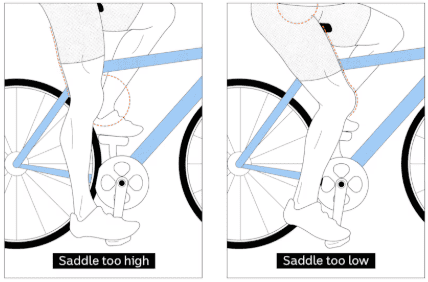
• The saddle is a little too low
• The saddle is positioned too far forward
• Pushing heavy gears at a slow pedalling speed
What usually helps
• Raising the saddle slightly
• Moving the saddle back a small amount
• Spinning the pedals a bit faster instead of “grinding” big gears
• Building ride distance gradually after time off the bike
If knee pain starts early in a ride or worsens quickly, it’s often a sign your bike set-up needs adjusting.
2. Pain Behind the Knee or Tight Hamstrings
Pain at the back of the knee or persistent hamstring tightness can feel worrying, but it’s commonly related to bike position.
Why it often happens
• The saddle is slightly too high
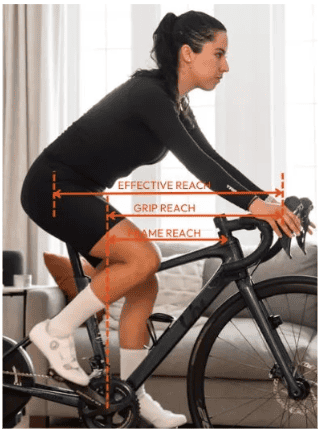
• You’re reaching too far forward, placing constant tension through the back of the legs
What usually helps
• Lowering the saddle slightly
• Making sure your hips aren’t rocking side-to-side when pedalling
• Reducing how far you have to reach during flare-ups
Comfortable pedalling should feel smooth and controlled, not stretched or strained.
3. Lower Back Pain
Lower back discomfort is extremely common in cyclists, especially on longer rides.
Why it often happens
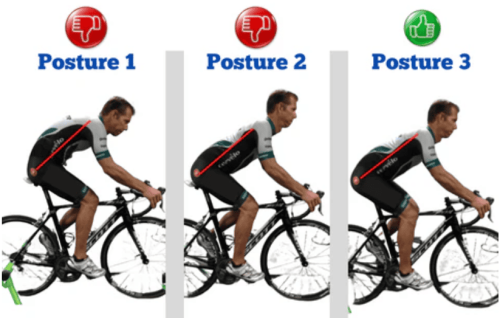
• The handlebars are too far away or too low
• You’re holding the same posture for long periods
• Core and hip muscles fatigue before the ride ends
What usually helps
• Reducing how far you have to reach
• Slightly raising the handlebars
• Changing hand positions during rides
• Standing out of the saddle regularly
• Improving strength and endurance off the bike
Cycling shouldn’t feel like you’re “hanging” off the handlebars — your body should feel supported and balanced.
4. Neck and Shoulder Pain
Neck and shoulder tension is often about endurance, not damage.
Why it often happens
• Reaching too far forward
• Carrying too much body weight through the hands
• Staying in one position for too long
What usually helps
• Bringing the handlebars a little closer or higher
• Keeping a soft bend in the elbows
• Frequently changing hand position
• Strengthening the muscles that support posture
If your shoulders feel tense or your neck feels jammed late in rides, it’s often a sign your position needs tweaking.
5. Hand Numbness or Tingling
Numbness in the hands (sometimes called “cyclist’s palsy”) is very common on longer rides.
Why it often happens
• Too much pressure through the hands
• Locked elbows
• Staying in one hand position for too long
What usually helps
• Reducing reach or handlebar drop
• Keeping a slight bend in the elbows
• Using padded gloves or good bar tape
• Changing hand position every few minutes
Hands should feel supported, not overloaded.
A Few Key Things to Remember
• Small changes matter – even a few millimetres can make a big difference
• There’s no single “perfect” bike position. Comfort and tolerance are individual
• Bike set-up affects load on your body, just like training volume does
• Pain is a signal to adjust, not something to push through
If symptoms keep returning, worsen, or stop you enjoying riding, it’s worth getting professional advice.
When to Seek Help
If pain:
• Persists despite small bike adjustments
• Starts earlier and earlier in your rides
• Lingers into the next day
• Is associated with numbness, weakness, or night pain
A physiotherapist can help identify the cause and guide safe changes. Cycling should feel comfortable, efficient, and enjoyable, and with the right set-up, it usually can be.

